
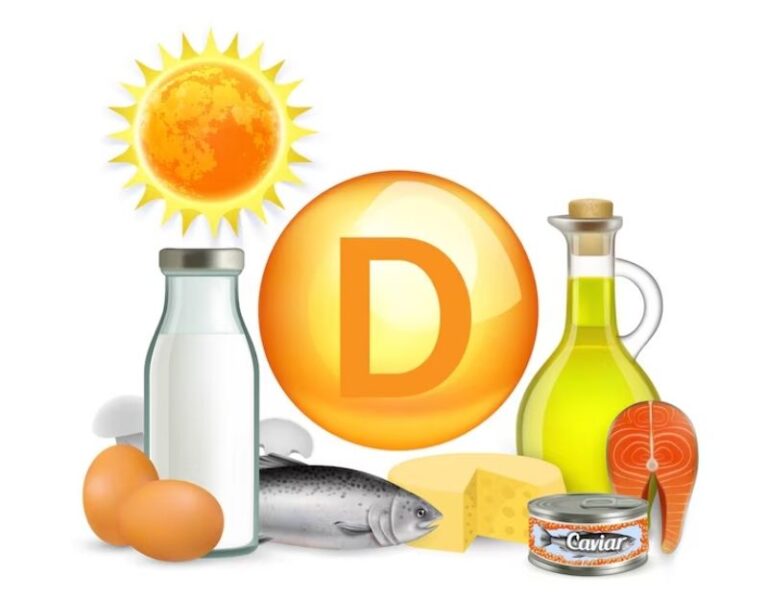
Vitamin D deficiency can lead to osteoporosis. Learn about the connection and prevention strategies. D deficiency and osteoporosis are two of the most prevalent disorders that usually coexist. Despite having their own characteristics, their interaction is likely to play a significant role in bone health. In this article, we’ll explore what vitamin D deficiency is, […]
Vitamin D deficiency can lead to osteoporosis. Learn about the connection and prevention strategies.
D deficiency and osteoporosis are two of the most prevalent disorders that usually coexist.
Despite having their own characteristics, their interaction is likely to play a significant role in bone health.
In this article, we’ll explore what vitamin D deficiency is, understand osteoporosis, and uncover how they are linked. We’ll also discuss ways to prevent and treat these conditions effectively.

Vitamin D deficiency happens when there is a lack of vitamin D for the proper function of the body.
Vitamin D plays an important role since it enables the absorption of calcium, a mineral that is needed to have healthy bones and teeth.
When vitamin D is not present, calcium absorption is not optimal and a cascade of health problems result.
This problem is quite frequent, and several factors can account for this.
Less sun exposure, inadequate consumption of food and beverages, subclinical medical conditions, and even dark coloration of the skin can lead to vitamin D insufficiency for a significant number of people.
Those individuals may otherwise not know that they are low until fatigue, bone pain, or recurrent infections all occur.
Osteoporosis is a disorder characterized by the loss of bone density and the consequent fragility of bones, with an increased risk of fractures.
It is also often called “silent disease” due to a gradual progression process and absence of symptoms except when a fracture is implicated. Fractures are most common hip joint, spine, and wrist.
Bones are living tissue, with bone being resynthesized and degraded, around the clock.
With osteoporosis, formation of new bone is not able to make up for the loss of aged bone. This asymmetry leads to a low bone mineral density and thus fragile porous and weakened bones.
Risk factors for osteoporosis include aging, familial history of osteoporosis, menopause, vitamin d deficiency, poor calcium intake, and lack of physical activity.
Women are more at risk because bone loss occurs later in life following a decrease in estrogen output.
The relationship between vitamin D deficiency and osteoporosis is strongly correlated.
Vitamin D plays a major role in intestinal calcium absorption.
Calcium found in food is lost in excretion but not in metabolism without vitamin D and, thus, reduced blood calcium concentrations occur.
As calcium concentration falls, the body tries to compensate by depleting the calcium from bones in order to support other important processes such as muscle contraction and nerve signaling.
In return, this accumulative loading process displaces bone mass and makes it osteoporotic.

Prevention is always preferable to cure and adequate vitamin D status is an important tool in the prevention of osteoporosis and vitamin D deficiency.
Just follow these steps to get enough vitamin D.
The easiest way to increase vitamin D is by sunlight.
Spending 10 to 30min daily of time outdoors in the sun a few times a week, especially between late morning and early afternoon hours, can promote the production of vitamin D in your body.
Adding vitamin D-supplemented foods to the diet is also a good preventative measure.
Fatty fish, e.g., salmon, mackerel, and sardine, are some of the more natural sources.
Taking, vitamin D can be also obtained through fortified food, e.g., milk, orange juice, and cereals. Egg yolks and mushrooms are potential alternative food sources for vitamin D.
For those failing to obtain enough vitamin D through the sun and food, supplements are a safe substitute.
Vitamin D3 (cholecalciferol) is the subject of preference because it is more effective at increasing blood concentration than D2 (ergocalciferol).
However, consultation with a doctor prior to the use of the supplement regime is advised.
Exercise does not have an effect on the levels of vitamin D, but activity such as walking, jogging, and strength training is beneficial and makes the bone denser.
Concerning treatment, vitamin D deficiency and osteoporosis should not be overlooked. However, it is more typical for these treatments to be convergent, as both work toward robust bone health.
Doctors usually recommend patients with a clinically diagnosed D deficiency with a high dose of vitamin D supplementation.
Calcium is tightly coupled to vitamin D for maintenance and remodeling of skeletal bone health.
For example, in certain instances, combinations (the preparation of which contains two nutrients) is prescribed for optimal uptake and pharmacological activity.
Quitting smoking and alcohol drinking is a crucial lifestyle intervention in osteoporosis patients.
Both habits are correlated with increased bone loss and fracture risk. It is also crucial to eat a balanced diet, be physically active, and keep a healthy weight to control the disease.
Fracture prevention is of the utmost importance for high fracture-risk patients.

Due to the underdiagnosis of vitamin D deficiency and osteoporosis which are much often neglected until serious complications start arising, monitoring these two conditions remains one of the more challenging parts of the treatment.
Routine follow-up, including a check of vitamin D level by blood tests and bone mineral density scan for high-risk individuals, may detect these conditions in an early stage, thus allowing for early intervention.
D deficiency and the resultant osteoporosis, if untreated, can cause disabling fractures and poor quality of life.
Hip fracture is an important issue for elderly people, especially, owing to the risk of life-long bedridden and life-threatening situations, respectively.
Vitamin D deficiency and osteoporosis are closely related and the former can never cause the latter.
To maintain good structural bone throughout life, it is necessary to understand their interactions.
Particularly by sunlight exposure, diet, or vitamin D supplementation, it is possible to reduce the risk of osteoporotic bone disease and its complications.
When vitamin D level is suspected or bone health is involved, go to a clinician.
Early detection followed by effective treatment can have a significant impact, allowing you to keep moving and prevent fractures for decades to come.
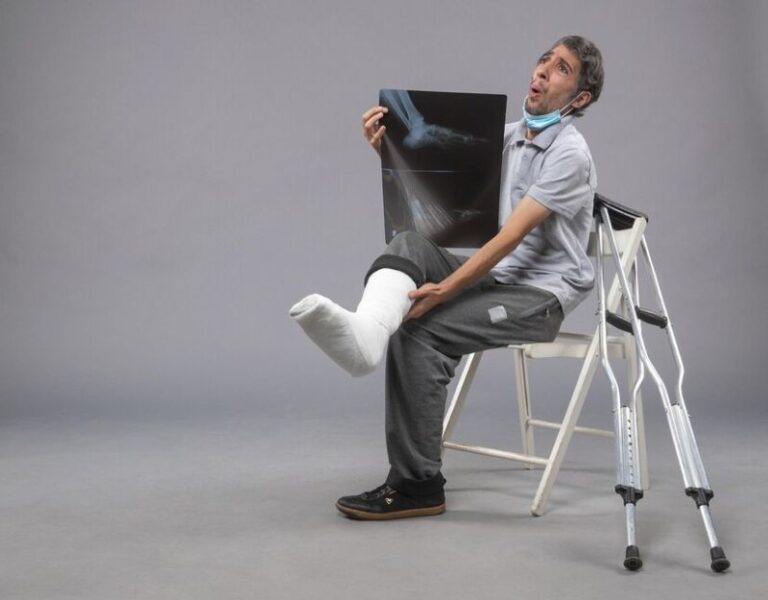
Speed up osteoporosis fracture healing with the best supplements like calcium, vitamin D, magnesium, and more. Osteoporosis fractures can be a painful and challenging setback. It may be of interest for someone who is being treated from osteoporosis, to be aware of the objectives of good nutrition and supplementation during the healing process. This article […]
Speed up osteoporosis fracture healing with the best supplements like calcium, vitamin D, magnesium, and more.
Osteoporosis fractures can be a painful and challenging setback.
It may be of interest for someone who is being treated from osteoporosis, to be aware of the objectives of good nutrition and supplementation during the healing process.
This article explores the top supplements for osteoporosis fracture healing, other nutrients that promote healing, and lifestyle strategies that promote healing.

Osteoporosis is a condition in which bone becomes soft, prone to fracture, and there is a low bone density. Even gentle falls or moderate loadings may cause fractures in individuals with osteoporosis.
Fractures of the hip, spine, and wrist are most common sites where they occur.
Osteoporosis fracture healing is, generally, a longer time process as the bone density has decreased at this time point.
For the purpose of repair and regeneration, the body needs to get an adequate amount of nutrition.
The correct form of supplement is extremely valuable to compensate for the deficiencies that may not be addressed through diet.

A number of supplements are required for bone remodeling and osteoporosis fracture healing. Let’s explore them one by one.
Calcium is the cornerstone of bone health. Bones that are broken need a higher intake of this mineral in order to be repaired.
Rehabilitation of adults with fractures may require up to 1,000–1,200 mg/day, however, prescribing by a doctor is preferable and it is suggested to contact the doctor before any dose increase.
Dairy, leafy greens, and fortified foods are excellent sources, however, supplements may be needed if dietary intake is too low.
Vitamin D has a significant effect on calcium absorption. Not enough of it even high doses of calcium are excreted.
Vitamin D deficiency is common, especially among older adults or individuals who lack sun exposure.
The daily recommended dose is 600–800 IU, but slightly higher levels should be provided in patients with fractures, by medical control. D2 and D3 supplements forms are available and D3 is more effective.
Vitamin K2 is another nutrient that helps in osteoporosis fracture healing, it ensures calcium is delivered to your bones and not deposited in your arterial walls.
It activates proteins that bind calcium to the bone matrix, which strengthens the skeleton.
Evidences indicate that vitamin K2 synergizes with calcium and vitamin D in promoting fracture healing.
Good references are fermented products like natto and hard cheeses, etc. In cases where they aren’t included in the diet, supplementation might be a reasonable option.
Magnesium is another important mineral for bone health. Magnesium is important to convert vitamin D into its active form (hydroxyvitamin D) and this, consequently, leads to increased calcium absorption.
Magnesium is also implicated in bone mineralization important for fracture repair.
Many people don’t get enough magnesium through food alone. Foods, such as nuts, seeds, and whole grains, are also high in sources, but supplements can offer an additional dose boost.
Collagen is an elastic protein that gives bones rigidity and elasticity.
Bone tissue regeneration can be enhanced through the consumption of collagen supplements. Hydrolyzed collagen (powder) is easily digested and absorbed.
In addition to the prime supplements, some other trophic nutrients can also promote osteoporosis fracture healing.
Bones aren’t just made of minerals—they also contain protein. Adequate protein intake is required in order to restore broken bone and muscle tissue.
When it is hard to obtain sufficient protein from eating food, whey or plant protein powder can be used.
Omega-3s are anti-inflammatory with the property of alleviating osteoporosis fracture healing.
These fatty acids are found in the fat of salmon, nuts, and flaxseed. Fish oil supplements are an effective way to ensure adequate consumption of omega-3s.
Boron is an oligo-element and it has an effect promoting calcium absorption and bone metabolism.
Despite its presence in the foodstuff (nuts, fruits, vegetables), supplements will allow to have a correct intake during the recovery phase.

To get the best out of your supplements and improve osteoporosis fracture healing, the following should be observed.
Supplements alone won’t do the trick. A holistic approach to osteoporosis fracture healing and recovery includes lifestyle changes:
While rest is also welcome during the first stage, light upper body/core and lower body/leg exercises can be applied in order to stimulate bone healing following clearance and with your doctor’s approval.
Walking, yoga, or light resistance training have the effect of improving muscle strength in the affected muscle.
A diet rich in fruits, vegetables, lean proteins, and whole grains provides the foundation for bone repair. Do not overconsume salt, caffeine, and alcohol, which can cause bone nutrient withdrawal.
Smoking decreases bone perfusion and slows healing. Quitting smoking is one of the best things you can do for your overall health.
High-stress levels can negatively impact bone healing. Engage in relaxation techniques like meditation, deep breathing, or gentle stretching to keep stress at bay.
Prioritize Sleep
Bone repair happens during sleep. Sleep 7–9 hours nightly, create a bedtime routine to induce alertness.
Osteoporosis fracture healing needs time and commitment, however, by using the correct supplementation and lifestyle change, the process can be expedited considerably.
Calcium, vitamin D, vitamin K2, magnesium, and collagen are key players in healing and are substantiated by the other nutrients protein, omega-3, and boron.
Individually and supported by suitable nutrition, the adoption of these approaches can equip your body with the requisite physiological means for restitution.
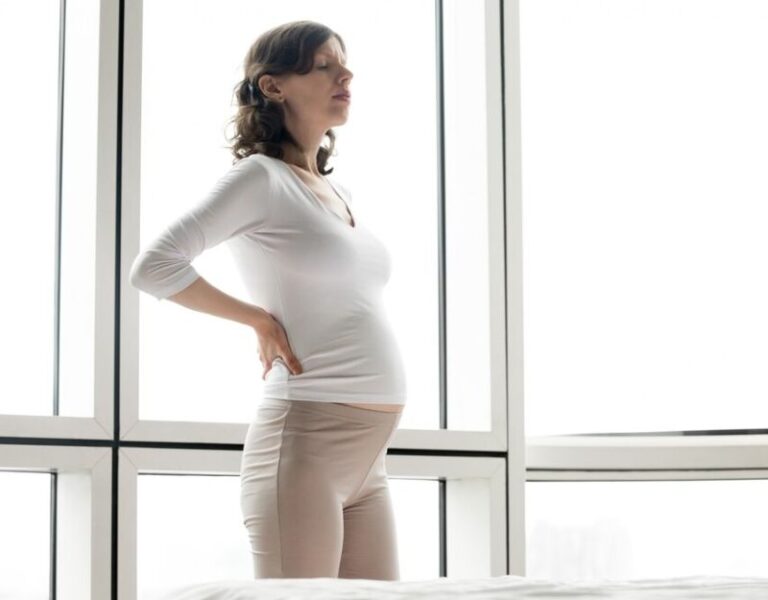
Learn more about osteoporosis and pregnancy, its risks, and effective solutions to manage bone health during pregnancy. Pregnancy is commonly described as a happy time, but it is not without corresponding physical difficulties. A topic that is less obvious is the connection between osteoporosis and pregnancy. This article explores whether pregnancy can cause osteoporosis, the […]
Learn more about osteoporosis and pregnancy, its risks, and effective solutions to manage bone health during pregnancy.
Pregnancy is commonly described as a happy time, but it is not without corresponding physical difficulties.
A topic that is less obvious is the connection between osteoporosis and pregnancy.
This article explores whether pregnancy can cause osteoporosis, the risks involved, how it’s diagnosed, managing it during pregnancy, and maintaining long-term bone health after childbirth.

The relation between osteoporosis and pregnancy is rare, but it can occur. It usually happens during the third trimester or right after giving birth.
This transient state is thought to be related to the calcium requirement of the body.
Because the growing embryo depends on the mother’s calcium intake, the body may deplete calcium from the bones in the event of low dietary calcium.
Physiological changes in hormone levels, such as elevated estrogen, also contribute to the decline in bone density during pregnancy. However, this type of osteoporosis often improves after delivery.
Another contributing factor could be genetics. Certain women are more likely to develop osteoporosis that pregnancy intensifies.
Second, multiple consecutive pregnancies can also expose a short time of bone recovery, thus increasing the risk.
Osteoporosis and pregnancy can lead to several complications, both for the mother and baby.
Fractures, especially in the spine, hips, or wrists, are one of the primary risks. Such fractures may lead to intense pain and restricted movement, therefore making it very hard for a woman to take care of her baby.
Another concern is the baby’s development. When the mother’s calcium level is too low it could have consequences on bone health of the baby.
But the baby generally receives all its calcium needs because the mother gives priority to the baby’s needs rather than hers.
This prioritization can increase the mother’s bone loss, resulting in many serious diseases in the future.
Women with pre-existing conditions, such as celiac disease, thyroid disorders, or eating disorders, are at a higher risk of developing osteoporosis during pregnancy.
Furthermore, absolute physical activity deficit and deficiency of vitamin D can aggravate the condition.

Diagnosing osteoporosis and pregnancy can be challenging.
Numerous presenting symptoms (e.g., back pain) may mimick expectational discomforts of pregnancy.
Sudden and intense pain, particularly in the lumbar or pelvic areas, however, could suggest a fracture.
Bone density scan, the gold standard of imaging osteoporosis, is generally not performed during pregnancy unnecessarily owing to radiation exposure.
On the other hand, physicians may use a comprehensive medical history, blood tests, and physical examination to evaluate bone health.
In addition, they may also suggest to monitor the condition closely and follow up until after delivery, when safer diagnostic methods can be utilized.
In certain settings magnetic resonance imaging (MRI) can be used to evaluate bone health without the unnecessary exposure of the fetus to ionizing radiation.
This technique can be particularly useful in fracture or other bone abnormalities detection during pregnancy.
Osteoporosis management in pregnancy is a delicate management given the need to protect the mother’s and the fetus’s well-being.
The first step is addressing dietary needs. Pregnant women are encouraged to consume foods rich in calcium, such as dairy products, leafy greens, and fortified foods.
Supplements may also be prescribed, particularly when dietary intake is not adequate.
Vitamin D is also very significant since it has a role in active calcium mobilization. Pregnant women are advised to get enough sunlight and vitamin D supplements, when necessary because vitamin D stores are low.
Physical exercise may be an important tool for managing osteoporosis and pregnancy. Low-impact exercises, such as walking or swimming, have the benefit of retaining bone strength without significant joint stress.
However, any exercise program should be approved by a healthcare provider to ensure safety.
Pain management might involve using acetaminophen, as other pain relievers could pose risks to the baby.
In severe cases, doctors might consider more advanced treatments, but these are generally avoided until after delivery.

After delivery, long-term bone health needs to be taken into consideration in order to avoid the onset of various future complications.
Breast feeding additionally influences bone mineralization as calcium continues to be released from the maternal skeleton in order to produce milk.
Although this loss is generally transient and bone regrows upon weaning, it highlights the need to ensure healthy bone status during this stage.
Calcium and vitamin D sufficiency is critical.
Salmon, tofu, and almonds as well can be good supplements to a post-natal diet.
Supplementation can be required by women who are unable to supply their requirements for nutrients through food.
Weight-bearing exercise, for example, yoga, resistance exercise, and fast walking, is useful for rebuilding bone density.
These activities promote bone formation and improve overall strength. Women should start with gentle exercises and gradually increase intensity as their bodies recover from childbirth.
Regular medical checkups are vital to monitor bone health. Women with osteoporosis at the time of pregnancy may have a need for repeated bone density scans to check recovery and to detect potential long-term risks.
In women with established comorbidities, these require treatment.
Optimal control of the thyroid, good weight management, and management of gastrointestinal problems can have an important role in the maintenance of bone health and avoiding osteoporosis and pregnancy.
The bone health relationship between osteoporosis and pregnancy is complex, yet controllable by adequate attention and care.
Osteoporosis and pregnancy is a rare condition, however, sufficiently understanding and taking preventive measures can have profound effects.
Through the maintenance of calcium and vitamin D status, safe exercise, and seeking medical advice, pregnant women are able to preserve their bone health and limit chances of later complications.
Even so, after pregnancy continued interest in nutrition and exercise should be put into effect to maintain healthy bones for all future years.
Speed up osteoporosis fracture healing with the best supplements like calcium, vitamin D, magnesium, and more. Osteoporosis fractures can be a painful and challenging setback. It may be of interest for someone who is being treated from osteoporosis, to be aware of the objectives of good nutrition and supplementation during the healing process. This article […]
Speed up osteoporosis fracture healing with the best supplements like calcium, vitamin D, magnesium, and more.
Osteoporosis fractures can be a painful and challenging setback.
It may be of interest for someone who is being treated from osteoporosis, to be aware of the objectives of good nutrition and supplementation during the healing process.
This article explores the top supplements for osteoporosis fracture healing, other nutrients that promote healing, and lifestyle strategies that promote healing.
Osteoporosis is a condition in which bone becomes soft, prone to fracture, and there is a low bone density. Even gentle falls or moderate loadings may cause fractures in individuals with osteoporosis.
Fractures of the hip, spine, and wrist are most common sites where they occur.
Osteoporosis fracture healing is, generally, a longer time process as the bone density has decreased at this time point.
For the purpose of repair and regeneration, the body needs to get an adequate amount of nutrition.
The correct form of supplement is extremely valuable to compensate for the deficiencies that may not be addressed through diet.
A number of supplements are required for bone remodeling and osteoporosis fracture healing. Let’s explore them one by one.
Calcium is the cornerstone of bone health. Bones that are broken need a higher intake of this mineral in order to be repaired.
Rehabilitation of adults with fractures may require up to 1,000–1,200 mg/day, however, prescribing by a doctor is preferable and it is suggested to contact the doctor before any dose increase.
Dairy, leafy greens, and fortified foods are excellent sources, however, supplements may be needed if dietary intake is too low.
Vitamin D has a significant effect on calcium absorption. Not enough of it even high doses of calcium are excreted.
Vitamin D deficiency is common, especially among older adults or individuals who lack sun exposure.
The daily recommended dose is 600–800 IU, but slightly higher levels should be provided in patients with fractures, by medical control. D2 and D3 supplements forms are available and D3 is more effective.
Vitamin K2 is another nutrient that helps in osteoporosis fracture healing, it ensures calcium is delivered to your bones and not deposited in your arterial walls.
It activates proteins that bind calcium to the bone matrix, which strengthens the skeleton.
Evidences indicate that vitamin K2 synergizes with calcium and vitamin D in promoting fracture healing.
Good references are fermented products like natto and hard cheeses, etc. In cases where they aren’t included in the diet, supplementation might be a reasonable option.
Magnesium is another important mineral for bone health. Magnesium is important to convert vitamin D into its active form (hydroxyvitamin D) and this, consequently, leads to increased calcium absorption.
Magnesium is also implicated in bone mineralization important for fracture repair.
Many people don’t get enough magnesium through food alone. Foods, such as nuts, seeds, and whole grains, are also high in sources, but supplements can offer an additional dose boost.
Collagen is an elastic protein that gives bones rigidity and elasticity.
Bone tissue regeneration can be enhanced through the consumption of collagen supplements. Hydrolyzed collagen (powder) is easily digested and absorbed.
In addition to the prime supplements, some other trophic nutrients can also promote osteoporosis fracture healing.
Bones aren’t just made of minerals—they also contain protein. Adequate protein intake is required in order to restore broken bone and muscle tissue.
When it is hard to obtain sufficient protein from eating food, whey or plant protein powder can be used.
Omega-3s are anti-inflammatory with the property of alleviating osteoporosis fracture healing.
These fatty acids are found in the fat of salmon, nuts, and flaxseed. Fish oil supplements are an effective way to ensure adequate consumption of omega-3s.
Boron is an oligo-element and it has an effect promoting calcium absorption and bone metabolism.
Despite its presence in the foodstuff (nuts, fruits, vegetables), supplements will allow to have a correct intake during the recovery phase.
To get the best out of your supplements and improve osteoporosis fracture healing, the following should be observed.
Supplements alone won’t do the trick. A holistic approach to osteoporosis fracture healing and recovery includes lifestyle changes:
While rest is also welcome during the first stage, light upper body/core and lower body/leg exercises can be applied in order to stimulate bone healing following clearance and with your doctor’s approval.
Walking, yoga, or light resistance training have the effect of improving muscle strength in the affected muscle.
A diet rich in fruits, vegetables, lean proteins, and whole grains provides the foundation for bone repair. Do not overconsume salt, caffeine, and alcohol, which can cause bone nutrient withdrawal.
Smoking decreases bone perfusion and slows healing. Quitting smoking is one of the best things you can do for your overall health.
High-stress levels can negatively impact bone healing. Engage in relaxation techniques like meditation, deep breathing, or gentle stretching to keep stress at bay.
Prioritize Sleep
Bone repair happens during sleep. Sleep 7–9 hours nightly, create a bedtime routine to induce alertness.
Osteoporosis fracture healing needs time and commitment, however, by using the correct supplementation and lifestyle change, the process can be expedited considerably.
Calcium, vitamin D, vitamin K2, magnesium, and collagen are key players in healing and are substantiated by the other nutrients protein, omega-3, and boron.
Individually and supported by suitable nutrition, the adoption of these approaches can equip your body with the requisite physiological means for restitution.
Speed up osteoporosis fracture healing with the best supplements like calcium, vitamin D, magnesium, and more. Osteoporosis fractures can be a painful and challenging setback. It may be of interest for someone who is being treated from osteoporosis, to be aware of the objectives of good nutrition and supplementation during the healing process. This article […]
Speed up osteoporosis fracture healing with the best supplements like calcium, vitamin D, magnesium, and more.
Osteoporosis fractures can be a painful and challenging setback.
It may be of interest for someone who is being treated from osteoporosis, to be aware of the objectives of good nutrition and supplementation during the healing process.
This article explores the top supplements for osteoporosis fracture healing, other nutrients that promote healing, and lifestyle strategies that promote healing.
Osteoporosis is a condition in which bone becomes soft, prone to fracture, and there is a low bone density. Even gentle falls or moderate loadings may cause fractures in individuals with osteoporosis.
Fractures of the hip, spine, and wrist are most common sites where they occur.
Osteoporosis fracture healing is, generally, a longer time process as the bone density has decreased at this time point.
For the purpose of repair and regeneration, the body needs to get an adequate amount of nutrition.
The correct form of supplement is extremely valuable to compensate for the deficiencies that may not be addressed through diet.
A number of supplements are required for bone remodeling and osteoporosis fracture healing. Let’s explore them one by one.
Calcium is the cornerstone of bone health. Bones that are broken need a higher intake of this mineral in order to be repaired.
Rehabilitation of adults with fractures may require up to 1,000–1,200 mg/day, however, prescribing by a doctor is preferable and it is suggested to contact the doctor before any dose increase.
Dairy, leafy greens, and fortified foods are excellent sources, however, supplements may be needed if dietary intake is too low.
Vitamin D has a significant effect on calcium absorption. Not enough of it even high doses of calcium are excreted.
Vitamin D deficiency is common, especially among older adults or individuals who lack sun exposure.
The daily recommended dose is 600–800 IU, but slightly higher levels should be provided in patients with fractures, by medical control. D2 and D3 supplements forms are available and D3 is more effective.
Vitamin K2 is another nutrient that helps in osteoporosis fracture healing, it ensures calcium is delivered to your bones and not deposited in your arterial walls.
It activates proteins that bind calcium to the bone matrix, which strengthens the skeleton.
Evidences indicate that vitamin K2 synergizes with calcium and vitamin D in promoting fracture healing.
Good references are fermented products like natto and hard cheeses, etc. In cases where they aren’t included in the diet, supplementation might be a reasonable option.
Magnesium is another important mineral for bone health. Magnesium is important to convert vitamin D into its active form (hydroxyvitamin D) and this, consequently, leads to increased calcium absorption.
Magnesium is also implicated in bone mineralization important for fracture repair.
Many people don’t get enough magnesium through food alone. Foods, such as nuts, seeds, and whole grains, are also high in sources, but supplements can offer an additional dose boost.
Collagen is an elastic protein that gives bones rigidity and elasticity.
Bone tissue regeneration can be enhanced through the consumption of collagen supplements. Hydrolyzed collagen (powder) is easily digested and absorbed.
In addition to the prime supplements, some other trophic nutrients can also promote osteoporosis fracture healing.
Bones aren’t just made of minerals—they also contain protein. Adequate protein intake is required in order to restore broken bone and muscle tissue.
When it is hard to obtain sufficient protein from eating food, whey or plant protein powder can be used.
Omega-3s are anti-inflammatory with the property of alleviating osteoporosis fracture healing.
These fatty acids are found in the fat of salmon, nuts, and flaxseed. Fish oil supplements are an effective way to ensure adequate consumption of omega-3s.
Boron is an oligo-element and it has an effect promoting calcium absorption and bone metabolism.
Despite its presence in the foodstuff (nuts, fruits, vegetables), supplements will allow to have a correct intake during the recovery phase.
To get the best out of your supplements and improve osteoporosis fracture healing, the following should be observed.
Supplements alone won’t do the trick. A holistic approach to osteoporosis fracture healing and recovery includes lifestyle changes:
While rest is also welcome during the first stage, light upper body/core and lower body/leg exercises can be applied in order to stimulate bone healing following clearance and with your doctor’s approval.
Walking, yoga, or light resistance training have the effect of improving muscle strength in the affected muscle.
A diet rich in fruits, vegetables, lean proteins, and whole grains provides the foundation for bone repair. Do not overconsume salt, caffeine, and alcohol, which can cause bone nutrient withdrawal.
Smoking decreases bone perfusion and slows healing. Quitting smoking is one of the best things you can do for your overall health.
High-stress levels can negatively impact bone healing. Engage in relaxation techniques like meditation, deep breathing, or gentle stretching to keep stress at bay.
Prioritize Sleep
Bone repair happens during sleep. Sleep 7–9 hours nightly, create a bedtime routine to induce alertness.
Osteoporosis fracture healing needs time and commitment, however, by using the correct supplementation and lifestyle change, the process can be expedited considerably.
Calcium, vitamin D, vitamin K2, magnesium, and collagen are key players in healing and are substantiated by the other nutrients protein, omega-3, and boron.
Individually and supported by suitable nutrition, the adoption of these approaches can equip your body with the requisite physiological means for restitution.
Speed up osteoporosis fracture healing with the best supplements like calcium, vitamin D, magnesium, and more. Osteoporosis fractures can be a painful and challenging setback. It may be of interest for someone who is being treated from osteoporosis, to be aware of the objectives of good nutrition and supplementation during the healing process. This article […]
Speed up osteoporosis fracture healing with the best supplements like calcium, vitamin D, magnesium, and more.
Osteoporosis fractures can be a painful and challenging setback.
It may be of interest for someone who is being treated from osteoporosis, to be aware of the objectives of good nutrition and supplementation during the healing process.
This article explores the top supplements for osteoporosis fracture healing, other nutrients that promote healing, and lifestyle strategies that promote healing.
Osteoporosis is a condition in which bone becomes soft, prone to fracture, and there is a low bone density. Even gentle falls or moderate loadings may cause fractures in individuals with osteoporosis.
Fractures of the hip, spine, and wrist are most common sites where they occur.
Osteoporosis fracture healing is, generally, a longer time process as the bone density has decreased at this time point.
For the purpose of repair and regeneration, the body needs to get an adequate amount of nutrition.
The correct form of supplement is extremely valuable to compensate for the deficiencies that may not be addressed through diet.
A number of supplements are required for bone remodeling and osteoporosis fracture healing. Let’s explore them one by one.
Calcium is the cornerstone of bone health. Bones that are broken need a higher intake of this mineral in order to be repaired.
Rehabilitation of adults with fractures may require up to 1,000–1,200 mg/day, however, prescribing by a doctor is preferable and it is suggested to contact the doctor before any dose increase.
Dairy, leafy greens, and fortified foods are excellent sources, however, supplements may be needed if dietary intake is too low.
Vitamin D has a significant effect on calcium absorption. Not enough of it even high doses of calcium are excreted.
Vitamin D deficiency is common, especially among older adults or individuals who lack sun exposure.
The daily recommended dose is 600–800 IU, but slightly higher levels should be provided in patients with fractures, by medical control. D2 and D3 supplements forms are available and D3 is more effective.
Vitamin K2 is another nutrient that helps in osteoporosis fracture healing, it ensures calcium is delivered to your bones and not deposited in your arterial walls.
It activates proteins that bind calcium to the bone matrix, which strengthens the skeleton.
Evidences indicate that vitamin K2 synergizes with calcium and vitamin D in promoting fracture healing.
Good references are fermented products like natto and hard cheeses, etc. In cases where they aren’t included in the diet, supplementation might be a reasonable option.
Magnesium is another important mineral for bone health. Magnesium is important to convert vitamin D into its active form (hydroxyvitamin D) and this, consequently, leads to increased calcium absorption.
Magnesium is also implicated in bone mineralization important for fracture repair.
Many people don’t get enough magnesium through food alone. Foods, such as nuts, seeds, and whole grains, are also high in sources, but supplements can offer an additional dose boost.
Collagen is an elastic protein that gives bones rigidity and elasticity.
Bone tissue regeneration can be enhanced through the consumption of collagen supplements. Hydrolyzed collagen (powder) is easily digested and absorbed.
In addition to the prime supplements, some other trophic nutrients can also promote osteoporosis fracture healing.
Bones aren’t just made of minerals—they also contain protein. Adequate protein intake is required in order to restore broken bone and muscle tissue.
When it is hard to obtain sufficient protein from eating food, whey or plant protein powder can be used.
Omega-3s are anti-inflammatory with the property of alleviating osteoporosis fracture healing.
These fatty acids are found in the fat of salmon, nuts, and flaxseed. Fish oil supplements are an effective way to ensure adequate consumption of omega-3s.
Boron is an oligo-element and it has an effect promoting calcium absorption and bone metabolism.
Despite its presence in the foodstuff (nuts, fruits, vegetables), supplements will allow to have a correct intake during the recovery phase.
To get the best out of your supplements and improve osteoporosis fracture healing, the following should be observed.
Supplements alone won’t do the trick. A holistic approach to osteoporosis fracture healing and recovery includes lifestyle changes:
While rest is also welcome during the first stage, light upper body/core and lower body/leg exercises can be applied in order to stimulate bone healing following clearance and with your doctor’s approval.
Walking, yoga, or light resistance training have the effect of improving muscle strength in the affected muscle.
A diet rich in fruits, vegetables, lean proteins, and whole grains provides the foundation for bone repair. Do not overconsume salt, caffeine, and alcohol, which can cause bone nutrient withdrawal.
Smoking decreases bone perfusion and slows healing. Quitting smoking is one of the best things you can do for your overall health.
High-stress levels can negatively impact bone healing. Engage in relaxation techniques like meditation, deep breathing, or gentle stretching to keep stress at bay.
Prioritize Sleep
Bone repair happens during sleep. Sleep 7–9 hours nightly, create a bedtime routine to induce alertness.
Osteoporosis fracture healing needs time and commitment, however, by using the correct supplementation and lifestyle change, the process can be expedited considerably.
Calcium, vitamin D, vitamin K2, magnesium, and collagen are key players in healing and are substantiated by the other nutrients protein, omega-3, and boron.
Individually and supported by suitable nutrition, the adoption of these approaches can equip your body with the requisite physiological means for restitution.
Speed up osteoporosis fracture healing with the best supplements like calcium, vitamin D, magnesium, and more. Osteoporosis fractures can be a painful and challenging setback. It may be of interest for someone who is being treated from osteoporosis, to be aware of the objectives of good nutrition and supplementation during the healing process. This article […]
Speed up osteoporosis fracture healing with the best supplements like calcium, vitamin D, magnesium, and more.
Osteoporosis fractures can be a painful and challenging setback.
It may be of interest for someone who is being treated from osteoporosis, to be aware of the objectives of good nutrition and supplementation during the healing process.
This article explores the top supplements for osteoporosis fracture healing, other nutrients that promote healing, and lifestyle strategies that promote healing.
Osteoporosis is a condition in which bone becomes soft, prone to fracture, and there is a low bone density. Even gentle falls or moderate loadings may cause fractures in individuals with osteoporosis.
Fractures of the hip, spine, and wrist are most common sites where they occur.
Osteoporosis fracture healing is, generally, a longer time process as the bone density has decreased at this time point.
For the purpose of repair and regeneration, the body needs to get an adequate amount of nutrition.
The correct form of supplement is extremely valuable to compensate for the deficiencies that may not be addressed through diet.
A number of supplements are required for bone remodeling and osteoporosis fracture healing. Let’s explore them one by one.
Calcium is the cornerstone of bone health. Bones that are broken need a higher intake of this mineral in order to be repaired.
Rehabilitation of adults with fractures may require up to 1,000–1,200 mg/day, however, prescribing by a doctor is preferable and it is suggested to contact the doctor before any dose increase.
Dairy, leafy greens, and fortified foods are excellent sources, however, supplements may be needed if dietary intake is too low.
Vitamin D has a significant effect on calcium absorption. Not enough of it even high doses of calcium are excreted.
Vitamin D deficiency is common, especially among older adults or individuals who lack sun exposure.
The daily recommended dose is 600–800 IU, but slightly higher levels should be provided in patients with fractures, by medical control. D2 and D3 supplements forms are available and D3 is more effective.
Vitamin K2 is another nutrient that helps in osteoporosis fracture healing, it ensures calcium is delivered to your bones and not deposited in your arterial walls.
It activates proteins that bind calcium to the bone matrix, which strengthens the skeleton.
Evidences indicate that vitamin K2 synergizes with calcium and vitamin D in promoting fracture healing.
Good references are fermented products like natto and hard cheeses, etc. In cases where they aren’t included in the diet, supplementation might be a reasonable option.
Magnesium is another important mineral for bone health. Magnesium is important to convert vitamin D into its active form (hydroxyvitamin D) and this, consequently, leads to increased calcium absorption.
Magnesium is also implicated in bone mineralization important for fracture repair.
Many people don’t get enough magnesium through food alone. Foods, such as nuts, seeds, and whole grains, are also high in sources, but supplements can offer an additional dose boost.
Collagen is an elastic protein that gives bones rigidity and elasticity.
Bone tissue regeneration can be enhanced through the consumption of collagen supplements. Hydrolyzed collagen (powder) is easily digested and absorbed.
In addition to the prime supplements, some other trophic nutrients can also promote osteoporosis fracture healing.
Bones aren’t just made of minerals—they also contain protein. Adequate protein intake is required in order to restore broken bone and muscle tissue.
When it is hard to obtain sufficient protein from eating food, whey or plant protein powder can be used.
Omega-3s are anti-inflammatory with the property of alleviating osteoporosis fracture healing.
These fatty acids are found in the fat of salmon, nuts, and flaxseed. Fish oil supplements are an effective way to ensure adequate consumption of omega-3s.
Boron is an oligo-element and it has an effect promoting calcium absorption and bone metabolism.
Despite its presence in the foodstuff (nuts, fruits, vegetables), supplements will allow to have a correct intake during the recovery phase.
To get the best out of your supplements and improve osteoporosis fracture healing, the following should be observed.
Supplements alone won’t do the trick. A holistic approach to osteoporosis fracture healing and recovery includes lifestyle changes:
While rest is also welcome during the first stage, light upper body/core and lower body/leg exercises can be applied in order to stimulate bone healing following clearance and with your doctor’s approval.
Walking, yoga, or light resistance training have the effect of improving muscle strength in the affected muscle.
A diet rich in fruits, vegetables, lean proteins, and whole grains provides the foundation for bone repair. Do not overconsume salt, caffeine, and alcohol, which can cause bone nutrient withdrawal.
Smoking decreases bone perfusion and slows healing. Quitting smoking is one of the best things you can do for your overall health.
High-stress levels can negatively impact bone healing. Engage in relaxation techniques like meditation, deep breathing, or gentle stretching to keep stress at bay.
Prioritize Sleep
Bone repair happens during sleep. Sleep 7–9 hours nightly, create a bedtime routine to induce alertness.
Osteoporosis fracture healing needs time and commitment, however, by using the correct supplementation and lifestyle change, the process can be expedited considerably.
Calcium, vitamin D, vitamin K2, magnesium, and collagen are key players in healing and are substantiated by the other nutrients protein, omega-3, and boron.
Individually and supported by suitable nutrition, the adoption of these approaches can equip your body with the requisite physiological means for restitution.
Speed up osteoporosis fracture healing with the best supplements like calcium, vitamin D, magnesium, and more. Osteoporosis fractures can be a painful and challenging setback. It may be of interest for someone who is being treated from osteoporosis, to be aware of the objectives of good nutrition and supplementation during the healing process. This article […]
Speed up osteoporosis fracture healing with the best supplements like calcium, vitamin D, magnesium, and more.
Osteoporosis fractures can be a painful and challenging setback.
It may be of interest for someone who is being treated from osteoporosis, to be aware of the objectives of good nutrition and supplementation during the healing process.
This article explores the top supplements for osteoporosis fracture healing, other nutrients that promote healing, and lifestyle strategies that promote healing.
Osteoporosis is a condition in which bone becomes soft, prone to fracture, and there is a low bone density. Even gentle falls or moderate loadings may cause fractures in individuals with osteoporosis.
Fractures of the hip, spine, and wrist are most common sites where they occur.
Osteoporosis fracture healing is, generally, a longer time process as the bone density has decreased at this time point.
For the purpose of repair and regeneration, the body needs to get an adequate amount of nutrition.
The correct form of supplement is extremely valuable to compensate for the deficiencies that may not be addressed through diet.
A number of supplements are required for bone remodeling and osteoporosis fracture healing. Let’s explore them one by one.
Calcium is the cornerstone of bone health. Bones that are broken need a higher intake of this mineral in order to be repaired.
Rehabilitation of adults with fractures may require up to 1,000–1,200 mg/day, however, prescribing by a doctor is preferable and it is suggested to contact the doctor before any dose increase.
Dairy, leafy greens, and fortified foods are excellent sources, however, supplements may be needed if dietary intake is too low.
Vitamin D has a significant effect on calcium absorption. Not enough of it even high doses of calcium are excreted.
Vitamin D deficiency is common, especially among older adults or individuals who lack sun exposure.
The daily recommended dose is 600–800 IU, but slightly higher levels should be provided in patients with fractures, by medical control. D2 and D3 supplements forms are available and D3 is more effective.
Vitamin K2 is another nutrient that helps in osteoporosis fracture healing, it ensures calcium is delivered to your bones and not deposited in your arterial walls.
It activates proteins that bind calcium to the bone matrix, which strengthens the skeleton.
Evidences indicate that vitamin K2 synergizes with calcium and vitamin D in promoting fracture healing.
Good references are fermented products like natto and hard cheeses, etc. In cases where they aren’t included in the diet, supplementation might be a reasonable option.
Magnesium is another important mineral for bone health. Magnesium is important to convert vitamin D into its active form (hydroxyvitamin D) and this, consequently, leads to increased calcium absorption.
Magnesium is also implicated in bone mineralization important for fracture repair.
Many people don’t get enough magnesium through food alone. Foods, such as nuts, seeds, and whole grains, are also high in sources, but supplements can offer an additional dose boost.
Collagen is an elastic protein that gives bones rigidity and elasticity.
Bone tissue regeneration can be enhanced through the consumption of collagen supplements. Hydrolyzed collagen (powder) is easily digested and absorbed.
In addition to the prime supplements, some other trophic nutrients can also promote osteoporosis fracture healing.
Bones aren’t just made of minerals—they also contain protein. Adequate protein intake is required in order to restore broken bone and muscle tissue.
When it is hard to obtain sufficient protein from eating food, whey or plant protein powder can be used.
Omega-3s are anti-inflammatory with the property of alleviating osteoporosis fracture healing.
These fatty acids are found in the fat of salmon, nuts, and flaxseed. Fish oil supplements are an effective way to ensure adequate consumption of omega-3s.
Boron is an oligo-element and it has an effect promoting calcium absorption and bone metabolism.
Despite its presence in the foodstuff (nuts, fruits, vegetables), supplements will allow to have a correct intake during the recovery phase.
To get the best out of your supplements and improve osteoporosis fracture healing, the following should be observed.
Supplements alone won’t do the trick. A holistic approach to osteoporosis fracture healing and recovery includes lifestyle changes:
While rest is also welcome during the first stage, light upper body/core and lower body/leg exercises can be applied in order to stimulate bone healing following clearance and with your doctor’s approval.
Walking, yoga, or light resistance training have the effect of improving muscle strength in the affected muscle.
A diet rich in fruits, vegetables, lean proteins, and whole grains provides the foundation for bone repair. Do not overconsume salt, caffeine, and alcohol, which can cause bone nutrient withdrawal.
Smoking decreases bone perfusion and slows healing. Quitting smoking is one of the best things you can do for your overall health.
High-stress levels can negatively impact bone healing. Engage in relaxation techniques like meditation, deep breathing, or gentle stretching to keep stress at bay.
Prioritize Sleep
Bone repair happens during sleep. Sleep 7–9 hours nightly, create a bedtime routine to induce alertness.
Osteoporosis fracture healing needs time and commitment, however, by using the correct supplementation and lifestyle change, the process can be expedited considerably.
Calcium, vitamin D, vitamin K2, magnesium, and collagen are key players in healing and are substantiated by the other nutrients protein, omega-3, and boron.
Individually and supported by suitable nutrition, the adoption of these approaches can equip your body with the requisite physiological means for restitution.
Learn more about osteoporosis and pregnancy, its risks, and effective solutions to manage bone health during pregnancy. Pregnancy is commonly described as a happy time, but it is not without corresponding physical difficulties. A topic that is less obvious is the connection between osteoporosis and pregnancy. This article explores whether pregnancy can cause osteoporosis, the […]
Learn more about osteoporosis and pregnancy, its risks, and effective solutions to manage bone health during pregnancy.
Pregnancy is commonly described as a happy time, but it is not without corresponding physical difficulties.
A topic that is less obvious is the connection between osteoporosis and pregnancy.
This article explores whether pregnancy can cause osteoporosis, the risks involved, how it’s diagnosed, managing it during pregnancy, and maintaining long-term bone health after childbirth.
The relation between osteoporosis and pregnancy is rare, but it can occur. It usually happens during the third trimester or right after giving birth.
This transient state is thought to be related to the calcium requirement of the body.
Because the growing embryo depends on the mother’s calcium intake, the body may deplete calcium from the bones in the event of low dietary calcium.
Physiological changes in hormone levels, such as elevated estrogen, also contribute to the decline in bone density during pregnancy. However, this type of osteoporosis often improves after delivery.
Another contributing factor could be genetics. Certain women are more likely to develop osteoporosis that pregnancy intensifies.
Second, multiple consecutive pregnancies can also expose a short time of bone recovery, thus increasing the risk.
Osteoporosis and pregnancy can lead to several complications, both for the mother and baby.
Fractures, especially in the spine, hips, or wrists, are one of the primary risks. Such fractures may lead to intense pain and restricted movement, therefore making it very hard for a woman to take care of her baby.
Another concern is the baby’s development. When the mother’s calcium level is too low it could have consequences on bone health of the baby.
But the baby generally receives all its calcium needs because the mother gives priority to the baby’s needs rather than hers.
This prioritization can increase the mother’s bone loss, resulting in many serious diseases in the future.
Women with pre-existing conditions, such as celiac disease, thyroid disorders, or eating disorders, are at a higher risk of developing osteoporosis during pregnancy.
Furthermore, absolute physical activity deficit and deficiency of vitamin D can aggravate the condition.
Diagnosing osteoporosis and pregnancy can be challenging.
Numerous presenting symptoms (e.g., back pain) may mimick expectational discomforts of pregnancy.
Sudden and intense pain, particularly in the lumbar or pelvic areas, however, could suggest a fracture.
Bone density scan, the gold standard of imaging osteoporosis, is generally not performed during pregnancy unnecessarily owing to radiation exposure.
On the other hand, physicians may use a comprehensive medical history, blood tests, and physical examination to evaluate bone health.
In addition, they may also suggest to monitor the condition closely and follow up until after delivery, when safer diagnostic methods can be utilized.
In certain settings magnetic resonance imaging (MRI) can be used to evaluate bone health without the unnecessary exposure of the fetus to ionizing radiation.
This technique can be particularly useful in fracture or other bone abnormalities detection during pregnancy.
Osteoporosis management in pregnancy is a delicate management given the need to protect the mother’s and the fetus’s well-being.
The first step is addressing dietary needs. Pregnant women are encouraged to consume foods rich in calcium, such as dairy products, leafy greens, and fortified foods.
Supplements may also be prescribed, particularly when dietary intake is not adequate.
Vitamin D is also very significant since it has a role in active calcium mobilization. Pregnant women are advised to get enough sunlight and vitamin D supplements, when necessary because vitamin D stores are low.
Physical exercise may be an important tool for managing osteoporosis and pregnancy. Low-impact exercises, such as walking or swimming, have the benefit of retaining bone strength without significant joint stress.
However, any exercise program should be approved by a healthcare provider to ensure safety.
Pain management might involve using acetaminophen, as other pain relievers could pose risks to the baby.
In severe cases, doctors might consider more advanced treatments, but these are generally avoided until after delivery.
After delivery, long-term bone health needs to be taken into consideration in order to avoid the onset of various future complications.
Breast feeding additionally influences bone mineralization as calcium continues to be released from the maternal skeleton in order to produce milk.
Although this loss is generally transient and bone regrows upon weaning, it highlights the need to ensure healthy bone status during this stage.
Calcium and vitamin D sufficiency is critical.
Salmon, tofu, and almonds as well can be good supplements to a post-natal diet.
Supplementation can be required by women who are unable to supply their requirements for nutrients through food.
Weight-bearing exercise, for example, yoga, resistance exercise, and fast walking, is useful for rebuilding bone density.
These activities promote bone formation and improve overall strength. Women should start with gentle exercises and gradually increase intensity as their bodies recover from childbirth.
Regular medical checkups are vital to monitor bone health. Women with osteoporosis at the time of pregnancy may have a need for repeated bone density scans to check recovery and to detect potential long-term risks.
In women with established comorbidities, these require treatment.
Optimal control of the thyroid, good weight management, and management of gastrointestinal problems can have an important role in the maintenance of bone health and avoiding osteoporosis and pregnancy.
The bone health relationship between osteoporosis and pregnancy is complex, yet controllable by adequate attention and care.
Osteoporosis and pregnancy is a rare condition, however, sufficiently understanding and taking preventive measures can have profound effects.
Through the maintenance of calcium and vitamin D status, safe exercise, and seeking medical advice, pregnant women are able to preserve their bone health and limit chances of later complications.
Even so, after pregnancy continued interest in nutrition and exercise should be put into effect to maintain healthy bones for all future years.